
Evacuate
When fire, flood, or disaster threatens, trained volunteers get animals out before it's too late.

Volunteer Emergency Animal Evacuation Team · Southern Oregon & N. California
We transport and shelter animals during wildfires, floods, and other disasters. Trained volunteers, coordinated from one place.
Please don't self-deploy. Get on our list and our coordinator will call you where you're needed. That is how we keep animals, owners, and volunteers safe.
In an emergency
Call early. The sooner you reach your coordinator, the more we can do, so don't wait for a mandatory order.
We're organized in two regions, split by the Cascade Mountains. Call the coordinator for your side, it's the fastest way to reach us.
Not sure which side you're on? Call either number and we'll route you. If we can't answer right away, leave a message and we'll call you straight back, 24/7 during a fire.
Reach 541-217-8235 before you're under a mandatory order. Early calls save animals.
How many animals, what kind, and where you are. We'll ask a few quick questions.
If you can, have halters, crates, and carriers by the driveway.
Trained volunteers with trailers are dispatched to you, and they stay in touch the whole way.
Horses, goats, chickens, dogs, cats. No animal is too large or too small. We'll help get them out, and our help is always free.
What we do
SOEA is committed to transporting and housing livestock and companion animals in response to disasters. Our all-volunteer team covers seven counties across Southern Oregon and Northern California.
When fire, flood, or disaster threatens, trained volunteers get animals out before it's too late.
With trailers and trucks, we move animals large and small: horses, goats, chickens, dogs, cats, and more.
Host farms across the region take evacuated animals in and care for them until it's safe to go home.
It all runs through one coordinator. Every need is matched to the right volunteer with the right equipment, so help arrives organized, never chaotic, and never self-deployed.
Join the response list
Register once. When a fire threatens, our coordinator calls you where there's a need that fits what you have, and you say yes only if you're able.
Sign up for your region. The form takes about three minutes, and your contact details stay private.
 Photo: Janet Woolfolk-Watson
Our story
In 2014, a friend with an animal sanctuary called Linda Bacon in a panic. A fire was coming. Linda told her not to worry, she'd reach whoever evacuates animals, and then she found out no one did. So she posted on Facebook and asked if anyone with a trailer would come help.
The first volunteer signed on that day. Within two days there were thirty. In under a week, a hundred.
"When we hit 100 volunteers in less than a week, I was dancing on the stars. It was the best thing that ever happened."
Today, SOEA is roughly 300 volunteers across two states, coordinated from one place: Linda on the west side of the Cascades, Treasurer Maria Meister on the east. Still all volunteers. Still neighbors helping neighbors.
From the field
 Photo: J. Tiller
A daughter called late one evening. Her mother had a menagerie of goats, barn cats, and dogs, a fire heading straight for them, and she wanted to wait. Our team quietly staged down the road. When the yes finally came, they were ready. Pitch dark, a cougar prowling nearby, more than twenty goats to round up, and not one animal left behind.
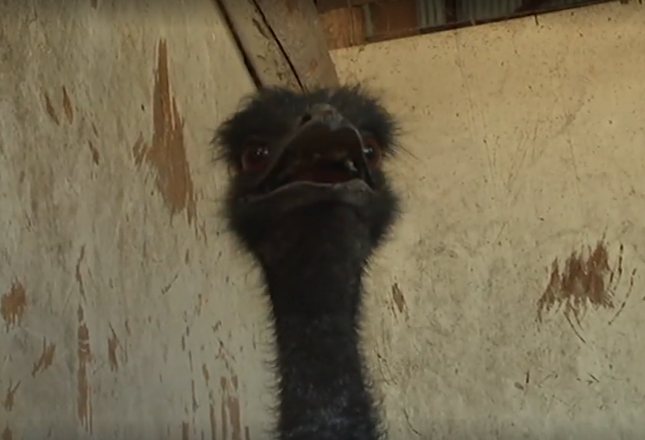
A 25-year-old pet emu named Oons (say "Awns"), rescued near Merlin during the 2018 Taylor Creek Fire. A maze of fences, a Level 3 evacuation, helicopters overhead. He would not load. He spat, he kicked, and one volunteer swore he was a dinosaur. At the shelter he still wouldn't leave the trailer, until Mary Ann looked him in the eye and said, "Oons, if you don't get out of this trailer, we're having emu barbecue tomorrow." Out he came.
Why we do this
"So why do we do this? Because we can. And we want to help."
Someone asked me yesterday, why do we do this? At first, I didn't have a response. I've never thought about why.
Now that I've had some time to think about it, we do it because we can. We have the equipment, employers that allow us to take the time off, and the means to volunteer our money and time.
We have training. We have trained with TLAER and other organizations. We have experience. Myself, over 45 years working with horses. We have taken the time to learn how to get horses in trailers under the most difficult circumstances. Horses that have never been haltered or even been in a trailer.
We do it methodically, with a lot of thought for the well-being of the horse, both mentally and physically. Because chances are, they will need to be put in a trailer again, often soon.
So why do we do this? Because we can. And we want to help. Each person has their own set of skills that lends them to help in some way. This is ours.
Who we are
SOEA runs on volunteers. A small team keeps it coordinated, day and night, across two states.
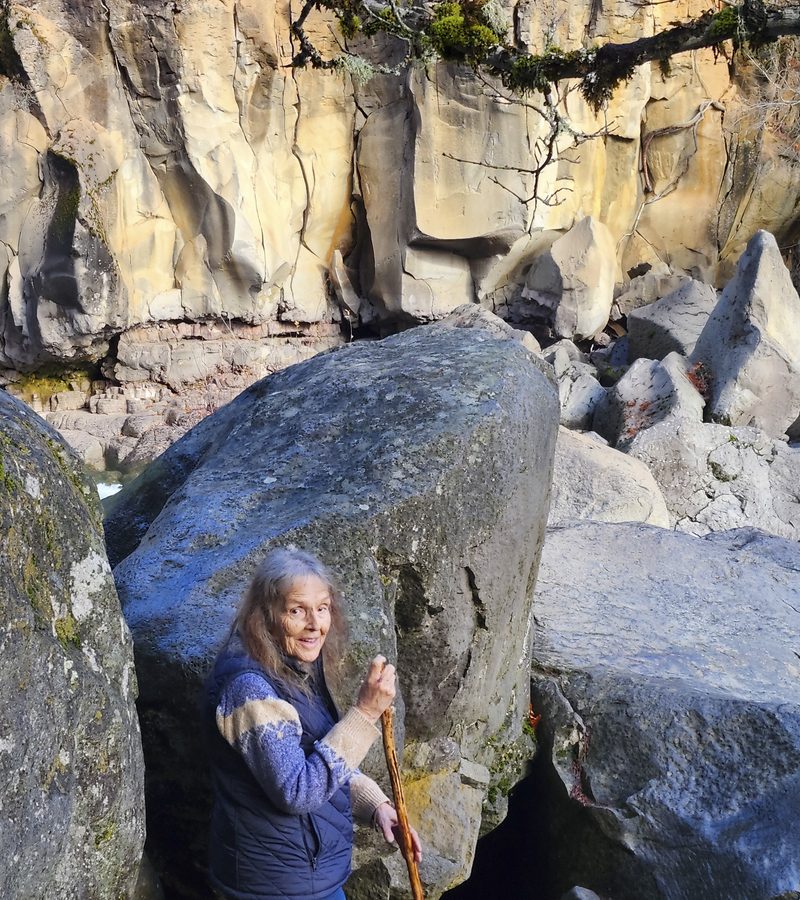
Executive Director / Resource Manager, West Side
Started SOEA in 2014. Coordinates rescues west of the Cascades.
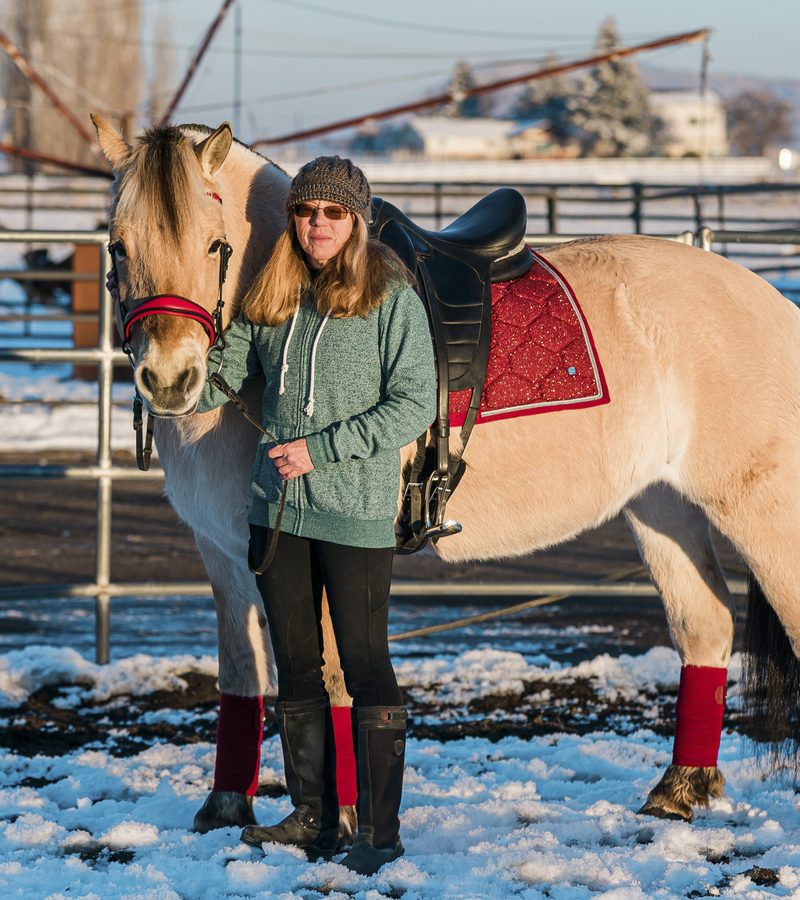
Treasurer & Co-President
Keeps the books and coordinates rescues east of the Cascades.
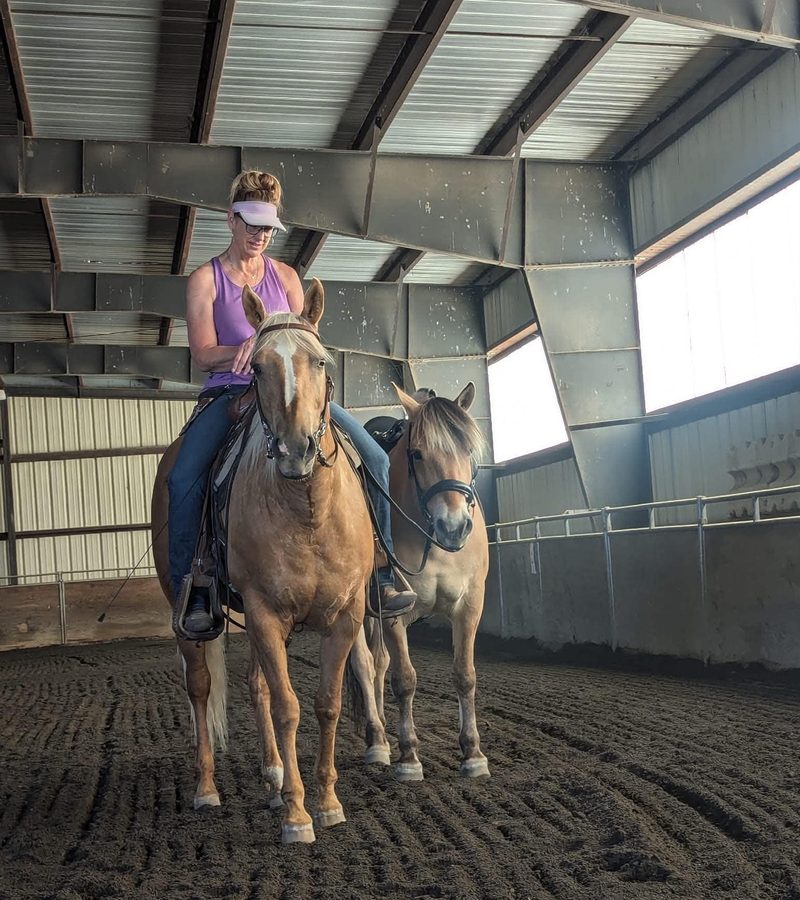
Secretary / Resource Manager
Keeps the records straight and serves on the east-side evacuation team with Maria.
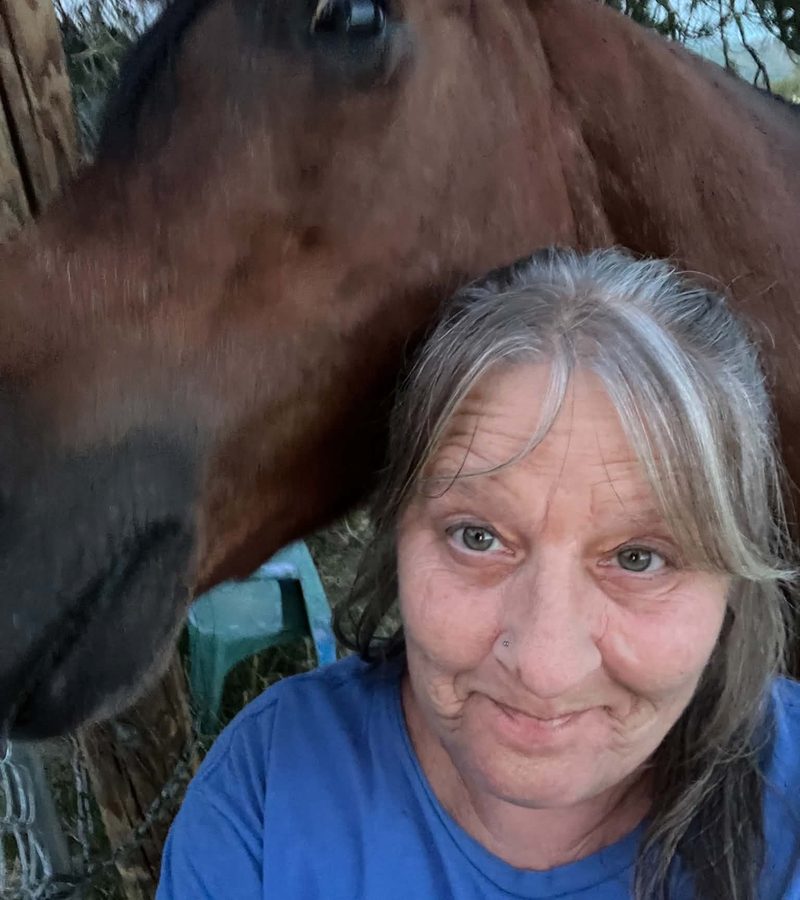
Shelter Manager, Josephine County Fairgrounds
Runs the animal shelter at the Josephine County Fairgrounds.
More photos coming soon.
Right now
We need help covering volunteer insurance for this fire season.
In the news
Newsrooms across the region have followed our rescues since 2018, from the Taylor Creek Fire to the Bootleg and Rum Creek fires and every season since.

With gratitude
Year after year, these neighbors have come through for us, and we know they'll be there again.
After the fire
The USDA Farm Service Agency runs disaster programs for Oregon producers hit by wildfire and drought. You report your losses through your local USDA Service Center, and the deadline matters.

Deadline March 1, 2027 for 2026 losses under most programs.
Be prepared
Get your animals ready before a fire, not during one. Over the years, SOEA has gathered practical guides for pet and livestock owners in our area.
What Level 1, 2, and 3 mean, and why animals should move one level early.
Read guide →Make a plan, find a safe place, ID your animals, build a kit, and know what to do when you come home.
Read guide →What the 1 to 6 lightning scale in a fire weather forecast means, and why LAL 6 is the one to watch.
Read guide →What Preparedness Levels 1 through 5 mean for how stretched the nation's fire crews are.
Read guide →Levels I through IV, and what each one shuts down for saws, yarding, and other spark-emitting work.
Read guide →Permanent ID, papers in a watertight envelope, trailer practice, and a backup plan if you can't take them.
Read guide →A kit, evacuation, safe transport for every kind of pet, and what to do if you truly must leave one behind.
Read guide →Senate Bill 570, the 2007 law that requires Oregon to plan for evacuating and sheltering pets, service animals, and livestock.
Read guide →Settle, filter, then boil or bleach. Exact drops of bleach for a quart, a gallon, and a 5-gallon jug.
Read guide →Resources
Where the fires are, what the restrictions say, how the air looks, and the checklists and workbooks to fill in before you need them.
Questions
Yes. We're volunteers, and we never charge to evacuate or shelter your animals.
Horses, livestock, and household pets, plus the unusual ones. No animal is too large or too small.
Seven counties: Curry, Josephine, Jackson, Klamath, and Douglas in Oregon, and Del Norte and Siskiyou in Northern California.
Call us anyway. If it's safe, leave gates unlocked and halters on, and leave a note with your animals' details and a phone number where we can reach you.
Yes. We also need trucks, drivers, host farms, and office help. Get on the response list and tell us what you can offer.
Please don't. Call the coordinator so we can send you where you're needed and keep everyone safe.
Start with our Be Prepared guides, or call us and we'll talk it through with you.
Where your money goes
We're all volunteers, so what you give goes straight to the work.
Our volunteers drive toward the fire when everyone else is driving away. We insure them so they're protected. This year we came up short and couldn't cover it.
Hauling a loaded trailer costs a fortune. We reimburse the volunteers who make load after load, often through gift cards from Grange Co-op and Tractor Supply.
When a family loses their barn, they lose their hay and tack too. We feed their animals until they can go home.
When it's urgent, we move. One year we got a semi load of hay to Hornbrook two days before the snow closed the roads.
Support us
We ask for donations when the need is real. When disaster strikes, we put out the call, and people answer.
Follow us on Facebook, or sign up to hear the moment we need help.
Follow on Facebook Notify me of urgent needsHay, feed, and crates help too. Prefer to mail a check?
SOEA, c/o Treasurer
779 Miller Island Rd
Klamath Falls, OR 97603
When you shop through iGive, up to 26% of what you spend at more than 2,000 stores goes to SOEA, and it costs you nothing extra.
Southern Oregon Emergency Aid is a registered 501(c)(3) nonprofit, EIN 83-1493679. Your donation is tax-deductible, and we're 100% volunteer-run, so more of every dollar reaches the animals.
